
When you are building IoT systems, one of the more difficult (and not yet satisfactorily solved) problems is the establishment of the semantics of a measurement that an IoT device reports up the food chain.
I was musing about some solutions that we had developed several years ago back at HP Labs, when I idly wondered, what is the most common measurement that we make, and why is it so common?
I knew that in process automation, temperature and pressure are among the top measurements. I presumed that "presence"—the opening or closing of a contact—might be one of the top discrete measurements in factory automation.
Some weighty cogitation later (excuse the pun, it's going to be obvious in the next sentence), it struck me that there was one measurement that definitely was up there, with an immense number of interesting applications. Yes, it's the simple act of weighing something.
Weight as a Proxy Measurement
Besides being a measurement that goes back to some of mankind's earliest civilizations, weighing is interesting because of its ability to serve as a proxy for more complex measurements.
The concept of proxy measurements is easy to understand. Take measuring the rate of flow of liquid in a pipeline. Measure the pressure on either side of a constriction or narrowing. You'll find that the rate of flow is related to the difference in pressure (actually to the square root). This way of measuring flow is so common that some 20% of the market for flow measurement uses pressure as the underlying measurement. Why? Because it's relatively inexpensive to get a high-precision differential pressure measuring device, and your instrument is simple with no moving parts.
Another example: measuring the level of fluid in a tank. Using a differential pressure transmitter with one side exposed to atmospheric pressure and the other to the fluid through a tap at the bottom of the tank allows measurement of the pressure exerted by the fluid. If you know the specific gravity, a simple calculation gives you the fluid height.
So, using pressure measurement as a proxy, we can measure both flow in a pipe and fluid level in a tank. You can see why pressure is such a popular measurement.
Weight: An Indicator of Everything
Let's return to weight. Fundamentally, weight has always been of interest because it indicates the quantity of a thing. Whether weighing a gold nugget or an antibiotic tablet, weight is a fundamental way to determine:
- Value
- Consistency
- Fraud detection
- Decay
- Failure modes
We run across interesting solutions using weight as a proxy measurement when interacting with our customers. Here is an example of a design we developed that illustrates the point beautifully.
The Composting Example: Measuring Impact
The application was for a company that made home and community composting bins. They had developed clay container-based systems for home users and branched out with specially designed, larger plastic composters for communities. The brand was built around enabling individuals and communities to have an impact through their direct actions.
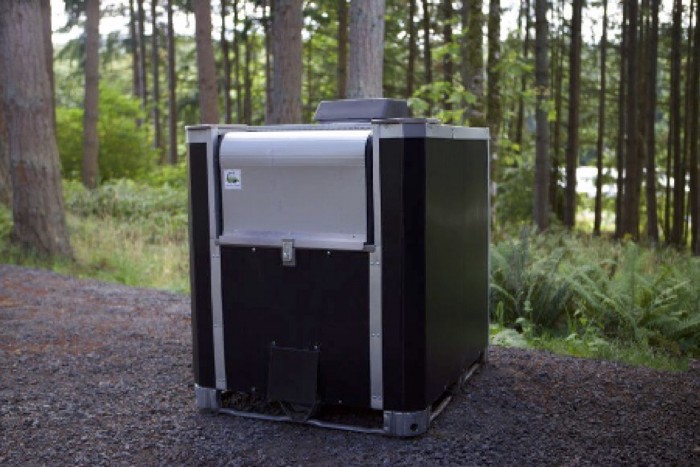
While there was obvious physical feedback from watching waste go through composting and creating usable compost, the challenge was showing impact on a larger scale—especially for groups like homeowner associations with specific recycling goals.
The proposed solution: a simple metal-bodied scale sized to fit under the composter. The low-power sensing mechanism, built using best-in-class low-power chips and algorithms, logged weight at periodic intervals with upwards of one year of battery life. Low-power Bluetooth communicated with a phone app that collected weight histories and reported them back for archiving.
Simple logic detected significant changes in weight to track addition and removal of compost. This allowed calculations of diverted carbon—since composting avoids methane emissions from landfills (typically 0.44-0.62 metric tons of CO₂ equivalent per ton of feedstock in California).
Weight as a Proxy for Process Health
Tracking weight enabled meaningful impact metrics and gamification opportunities like leaderboards. But there's more:
Typically, tracking how well composting proceeds requires measuring temperature and moisture—hard and expensive for these bins. Having a weight history opened up a new possibility: using weight loss as a proxy to understand the composting process.
Industry rules of thumb call for about 50% reduction in moisture content of incoming feedstock by the time composting completes. Not bad for a simple weighing scale!
The Lesson: Smart Over Complex
Don't be too quick to jump into making all those difficult and expensive measurements. A good proxy may save you time to market and yield a cheaper solution.
There are several other interesting proxy-based measurement solutions that demonstrate this principle. In the meanwhile, if you have an interesting measurement problem that you think could use some help, do reach out to us.